
How can I hire a professional mold inspection service for my home in Chicago?
Why should I hire a professional mold inspection service instead of doing it myself?
Mold is not always visible, and it rarely stays contained to one area. What shows up on a wall or ceiling is often just a sign of a larger moisture issue.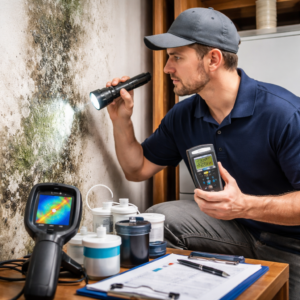
In Chicago and the surrounding suburbs, seasonal humidity, older housing stock, and basement moisture can all contribute to hidden mold growth. Homes in areas like Naperville, Schaumburg, and Oak Park often have conditions where mold can develop behind walls or under flooring without being obvious.
A professional inspection helps identify both the presence of mold and the source of the problem. Companies like Real Inspection Services use tools such as moisture meters and thermal imaging to detect issues that are not visible during a basic walkthrough.
For additional guidance on mold risks and why proper inspection matters, the Environmental Protection Agency provides helpful information here: https://www.epa.gov/mold
What qualifications should a mold inspection company have?
Not all mold inspection services operate the same way, so asking the right questions is key.
Look for a company with experience inspecting homes in the Chicago area. Local knowledge matters because housing styles, weather patterns, and common moisture issues vary from region to region.
Ask how the inspection is performed. A reputable company should clearly explain their process, including how they detect moisture, whether they use specialized tools, and if lab testing is part of the service.
It is also helpful to choose a company that focuses on clear reporting. You should receive a detailed summary of findings, not just a verbal explanation.
Working with a local provider like Real Inspection Services ensures the inspection is tailored to the specific conditions found in Chicago homes and suburbs.
What does a professional mold inspection include?
A proper mold inspection goes beyond a quick visual check.
The process usually starts with a conversation about the home. This includes any past water damage, leaks, or areas of concern.
From there, the inspector evaluates key areas where mold is more likely to develop:
-
Basements and crawl spaces
-
Bathrooms and kitchens
-
Attics and insulation areas
-
Around windows and exterior walls
Tools may be used to detect hidden moisture behind surfaces. In some cases, air or surface samples are collected and sent to a lab for analysis.
For more information on what mold exposure can mean for your home and health, the Centers for Disease Control and Prevention provides additional guidance here:
https://www.cdc.gov/mold/default.htm
How do I choose the right mold inspection company in Chicago or nearby suburbs?
Start by looking for companies that regularly service the Chicago metro area and surrounding communities.
Check reviews, but also look at how clearly the company explains its services. A good inspection company should be easy to talk to and willing to answer questions before you book.
Here are a few questions to ask:
-
What does your mold inspection include?
-
Will I receive a written report?
-
Do you offer lab testing if needed?
-
How quickly can I schedule an inspection?
Local companies like Real Inspection Services are familiar with common issues in the area and can often respond more quickly than national providers.
How much does a mold inspection cost in the Chicago area?
Pricing can vary depending on the size of the home and the level of testing required.
In the Chicago market, a basic inspection may start in the low hundreds, while more detailed inspections with lab testing will cost more.
The goal is not just to confirm whether mold exists, but to understand the cause. A thorough inspection can help prevent larger repair costs later by identifying moisture issues early.
When should I schedule a mold inspection?
There are several common situations where scheduling an inspection makes sense:
-
After heavy rain, flooding, or plumbing leaks
-
When buying or selling a home in the Chicago area
-
If you notice musty odors, especially in basements
-
If you see discoloration on walls or ceilings
-
If allergy symptoms seem worse inside the home
Chicago’s seasonal changes can create conditions where moisture builds up over time, making routine inspections a smart preventative step.
What happens after a mold inspection?
After the inspection, you will receive a report outlining the findings.
This typically includes:
-
Areas where mold or moisture concerns were identified
-
Contributing factors such as leaks or humidity
-
Lab results if samples were collected
-
Recommended next steps
If mold is confirmed, the report helps guide remediation so the issue is properly addressed.
How can I get started with a mold inspection in Chicago?
Getting started is simple. The key is choosing a local, experienced inspection company that understands the conditions unique to Chicago homes and suburbs.
If you are noticing signs of moisture or just want peace of mind, scheduling a professional inspection is a smart first step.
To learn more or schedule an inspection, visit Real Inspection Services and connect with a local expert.